
In June 2026, the National Institute of Standards and Technology (NIST) released technical findings from its investigation of the 2021 partial collapse of Champlain Towers South in Surfside, Florida. The collapse killed 98 people. NIST has not yet issued its final report or final recommendations.
Last updated September 1, 2026.
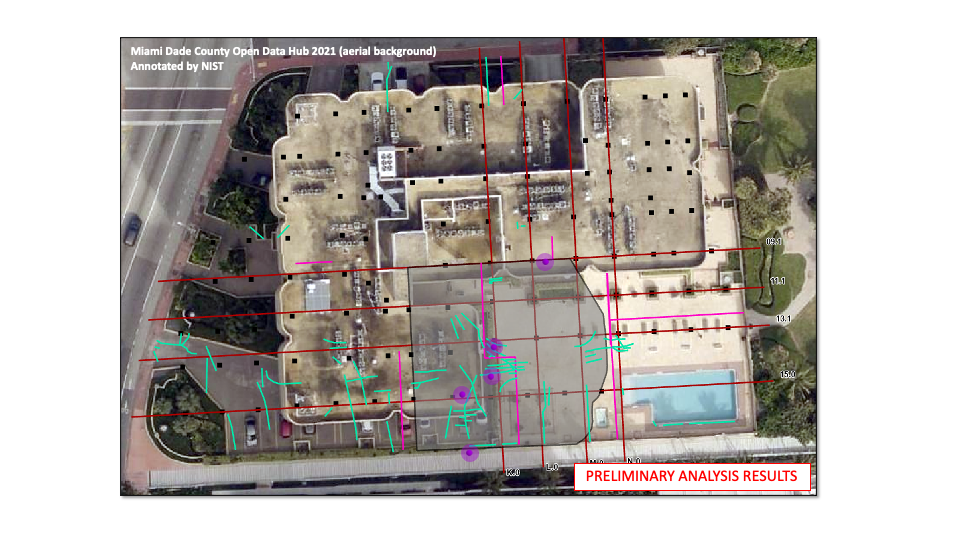
An aerial view of Champlain Towers South with an investigation analysis grid. Credit: NIST
What NIST’s technical findings say
NIST reported that the collapse began in the pool deck, where punching shear failures occurred at slab-to-column connections. In this type of failure, a column breaks through the concrete slab around it. The initial failures shifted load to nearby parts of the structure and led to a rapid progression of failures.
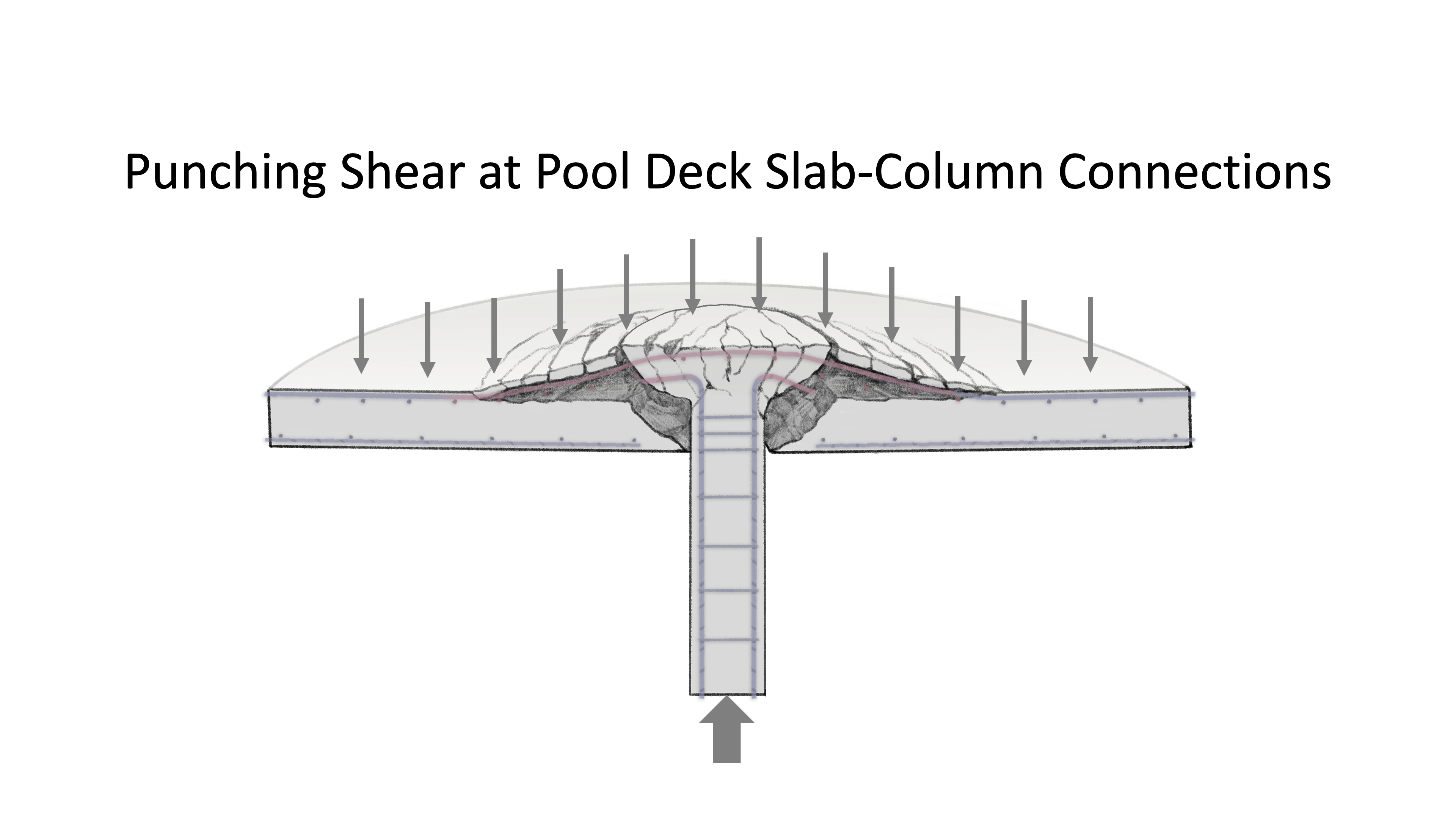
NIST’s diagram of a punching shear failure at a slab-to-column connection. Credit: NIST
The technical findings describe a combination of conditions that affected the pool deck. These included deficiencies in the original design, construction that did not fully match the design documents, added loads, and deterioration. NIST will publish its final conclusions and recommendations in the final report.
Why routine evaluation matters
Visible cracking, water intrusion, corrosion, movement, and other distress can indicate a condition that needs professional review. A visual sign does not establish a cause by itself. A Florida-licensed architect or engineer must evaluate the building, determine the significance of the condition, and recommend the next steps.
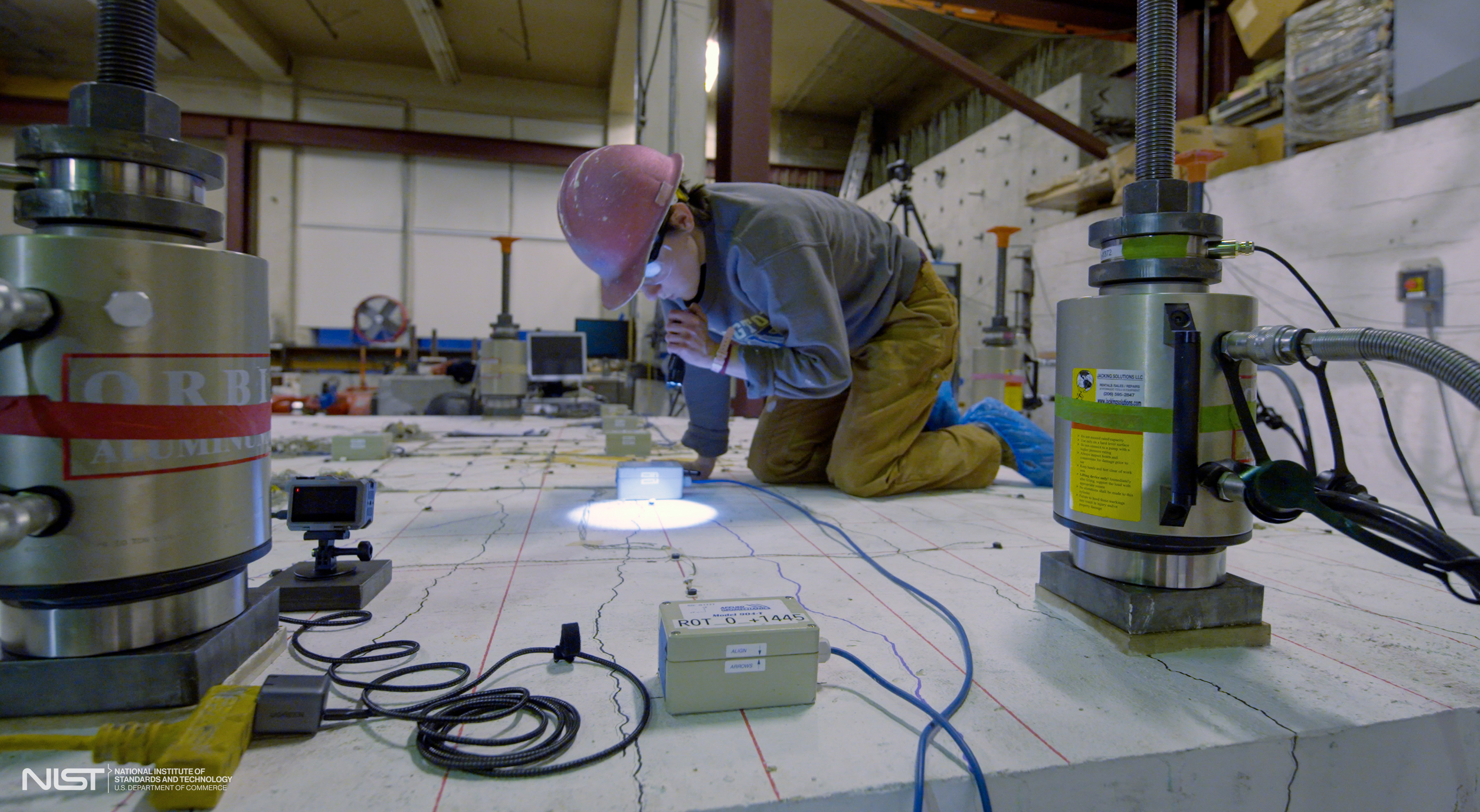
A NIST investigator examines a concrete specimen during the Champlain Towers South investigation. Credit: NIST
Florida milestone inspection requirements
Florida’s milestone inspection law applies to residential condominium and cooperative buildings that are three or more habitable stories tall. In general, the first milestone inspection is required when a building reaches 30 years of age. A local enforcement agency may require the first inspection at 25 years because of local conditions, including proximity to salt water. Follow-up milestone inspections are generally required every 10 years.
A Florida-licensed architect or engineer may perform the milestone inspection. The inspection evaluates the structural condition of the building and identifies substantial structural deterioration when it is present. Building owners and associations must follow the current notice, inspection, and reporting requirements that apply to their property.
Florida’s structural integrity reserve study requirements are separate from the milestone inspection law. Condominium associations should review section 718.112, Florida Statutes. Cooperative associations should review section 719.106. These statutes address reserve-study and funding requirements and can change over time.
What building owners should do
Owners and association boards should confirm the building’s age, number of habitable stories, local enforcement agency, and applicable inspection date. They should keep design documents, repair records, prior inspection reports, and maintenance records together. If the building shows structural distress or significant water intrusion, they should request a professional evaluation without waiting for a milestone deadline.
Advanced Engineering Consultants provides structural inspections, forensic engineering, repair design, and related engineering services in Tampa Bay and Central Florida. Our Team of Advanced Engineers can help owners understand observed conditions and the engineering work that may be necessary.
Primary sources
- NIST technical findings on the Champlain Towers South collapse
- Section 553.899, Florida Statutes: Mandatory structural inspections
- Section 718.112, Florida Statutes: Condominium bylaws and reserves
- Section 719.106, Florida Statutes: Cooperative bylaws and reserves
General education only. This article is not a structural assessment of a specific building or legal advice. A licensed professional must evaluate the building directly.
